
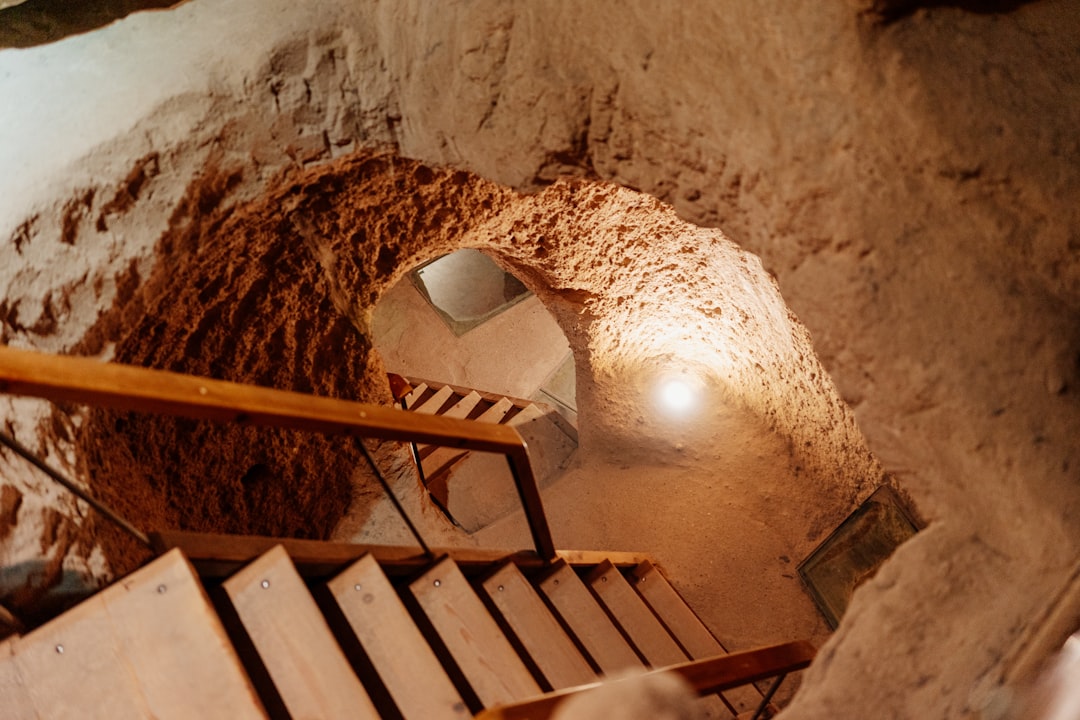
Cappadocia’s underground cities are a network of multi-level refuges carved into soft volcanic rock, created for defense and daily life under threat. Derinkuyu and Kaymakli are the best-known examples, featuring living quarters, kitchens, storerooms, and chapels linked by tunnels and ventilation shafts. Expect narrow passages, low ceilings, and a need for steady footing. A guided or self-led route works; go with a light pack and a flexible plan.
When you’re researching Cappadocia, underground cities aren’t just a sidebar; they’re a core part of the region’s story. This guide focuses on the two most famous sites—Derinkuyu and Kaymakli—to help you plan a visit that’s practical, safe, and deeply engaging. You’ll learn how these spaces were built, what you’ll experience underground, and how to move through them with purpose. Trail first, worry less; let the stars guide your path; carry less, see more.
Why Cappadocia Underground Cities matter
Why Cappadocia Underground Cities matter
Beyond their dramatic rock formations, Cappadocia’s underground cities reveal how communities adapted to threat with ingenuity and restraint. Derinkuyu and Kaymakli are the marquee examples of multi-level refuges carved from soft tuff, with kitchens, storage rooms, chapels, and ventilation shafts tucked into narrow corridors. This isn’t just a historical curiosity; it’s a study in social organization, engineering, and resilience. Reading the stone tells a story, but walking the tunnels makes it real. Trail first, worry less; let the stars guide your path; carry less, see more.
Visiting these sites is a physical and perceptual shift: low ceilings, uneven floors, and the hum of air moving through shafts. Plan with a practical mindset, pace yourself, and respect the space. Derinkuyu often feels deeper and more vertical, while Kaymakli presents a sprawling, interconnected feel. Each site offers a different facet of ancient life underground, yet both invite you to glimpse how people protected their families and livelihoods when surface threats mounted.
For photographers and hikers alike, the underground city precincts provide dramatic contrasts—light spilling into stone rooms, reliefs of daily life carved into wall surfaces, and the sense of scale when you step from a cramped tunnel into a broader chamber. Approached with curiosity and care, these visited spaces become more than a detour on a Turkish itinerary; they become a grounded, tangible link to the region’s history.
Core concepts you’ll encounter
Core concepts you’ll encounter
Understanding the bones of these sites helps you move through them with purpose. The concepts aren’t flashy, but they’re practical, and they shape how you navigate, photograph, or simply listen to the space around you.
- Geology and layout: The soft volcanic rock (tuff) is studded with rooms set around a vertical and horizontal network of passages. Expect paired stairwells, drafty corridors, and stored goods tucked into alcoves.
- Ventilation shafts and wells: Vertical shafts serve as air channels and water sources. They are a lifeline for multi-level settlements and a defining feature of the underground plan.
- Defensive features: Rolling stones and hatch-type doors help seal off passageways. These elements reflect a built-in approach to safety that still feels practical today.
- Rooms for daily life: Kitchens, storage rooms, wine presses, and chapels illustrate how people lived and worked underground for extended periods.
- Site differences: Derinkuyu tends to emphasize depth and verticality, while Kaymakli emphasizes horizontal spread and interconnected spaces. Both share core design concepts but offer different experiences.
Keeping these concepts in mind helps you judge space, plan a route, and photograph without resorting to gimmicks. Carry a sense of purpose into each doorway and let the space tell you what comes next.
Step-by-step guide for visiting Derinkuyu and Kaymakli
Step-by-step guide for visiting Derinkuyu and Kaymakli
To get the most out of your underground excursion, approach it like a lightweight, terrain-aware hike rather than a race through a museum. Here’s a practical, steps-based plan that keeps you efficient and safe.
- Plan ahead: Check opening times, buy tickets if available, and decide whether to visit one or both sites in a day. From Göreme or Ürgüp, you can reach both sites by short drives or local tours. Pace matters in the tunnels; allocate 2–3 hours per site if you want a leisurely pace with photo breaks.
- Choose a route: Start with Derinkuyu if you want deeper, more vertical sections, then proceed to Kaymakli for a more horizontal, maze-like feel. If time is tight, pick the site that aligns with your energy and weather—underground layouts can feel slightly claustrophobic if you’re overheated or winded.
- Dress and gear: Sturdy, closed-toe shoes with good grip are essential. Dress in layers; tunnels stay cool even on warm days. Bring a small flashlight or use your phone’s light sparingly—let your guide or the site’s lighting do the heavy lifting for safety and ambiance.
- Move with intention: The corridors are narrow; respect posted restrictions and follow guides. Keep a steady pace, avoid rushing, and take breaks to watch the air movement in shafts and the way rooms connect—these details anchor the experience.
- Respect and etiquette: Don’t touch wall carvings or artifacts, and be mindful of others’ photos and comfort levels. The spaces were never designed for crowds; a calm, observant approach makes the visit more meaningful for everyone.
- After the visit: Reflect on how surface life contrasts with underground living. If you’re a photographer, review shots that show contrast between light and shadow, texture of rock, and the human-scale of the rooms.
In short, plan with a light pack, steady steps, and a willingness to move slowly through the space. Trail first, worry less; let the stars guide your path; carry less, see more — and you’ll come away with a grounded sense of these remarkable places.
Common mistakes to avoid
Common mistakes and how to avoid them
Even seasoned travelers slip when visiting underground cities. The mistakes tend to be practical rather than mystical, but they can sap your time and energy if you let them creep in. Here are the most common missteps and how to sidestep them.
- Underestimating the pace: It’s not a race. Expect low ceilings, uneven floors, and the need to pause for a few minutes in dimly lit spaces. Go at a tempo that preserves your energy for both sites.
- Overpacking and poor footwear: A heavy pack or worn shoes transform a magical experience into fatigue. Travel light, wear supportive footwear, and limit extras like tripods in tight spaces.
- Ignoring age- or health-related limits: Some passages are narrow or steep. If you have mobility concerns, ask about alternative routes or guided tours that accommodate your needs.
- Skipping breaks for photos: The best shots often come after a short pause to absorb the space. Schedule a couple of photo breaks rather than shooting on the move.
- Disrespecting the space: Touching walls or touching artifacts can cause damage and safety risks. Follow posted rules and listen to guides for a smooth experience.
By pacing yourself, packing light, and honoring the site’s constraints, you’ll preserve the magic of the underground for future visitors—and for yourself as you descend into the quiet corridors of Cappadocia.
Frequently Asked Questions
Frequently Asked Questions
People often search for practical, on-the-ground details that make or break a visit. Here are a few common questions, with straightforward, actionable answers.
They are ancient, multi-level refuges carved from volcanic rock, built for defense and shelter. Derinkuyu and Kaymakli are the best-known examples, each offering a network of rooms, tunnels, and ventilation shafts. Plan to move slowly, wear sturdy shoes, and respect the spaces as you explore the living areas, kitchens, storerooms, and chapels that tell the story of daily life underground.
Most visitors spend about 1.5 to 3 hours at a site, depending on pace and how many sections you want to cover. If you’re visiting both sites in a day, allocate additional time for travel and buffers to account for crowds or space restrictions. A relaxed pace lets you see details you’d miss at a hurried pace.
In general, yes, with caveats. Some passages are narrow and low, and lighting can be dim. Follow guides and posted rules, mind your step, and avoid touching walls or artifacts. If you have mobility concerns, inquire about accessibility options in advance, and choose routes that fit your comfort level.
Frequently Asked Questions
What are the underground cities of Cappadocia?
Cappadocia’s underground cities are ancient, multi-level refuges carved from soft volcanic rock. Derinkuyu and Kaymakli are the most famous examples, each offering networks of rooms, tunnels, and ventilation shafts. Visitors should anticipate narrow corridors, low ceilings, and a need for steady footing. Plan your route, wear sturdy shoes, and respect site rules to preserve these spaces for future explorers.
What should I bring for an underground city visit?
For a comfortable visit, wear sturdy, closed-toe shoes and dress in layers. Bring a small light source and water. Move at a steady pace to navigate low ceilings and uneven floors safely. Allow 1.5–3 hours per site, and consider pacing your day to avoid rushing through rooms. A little preparation goes a long way in keeping the experience enjoyable rather than fatiguing.
Are Derinkuyu and Kaymakli the same kind of site?
Derinkuyu tends to feel deeper and more vertical, while Kaymakli offers a sprawling, maze-like layout. If you’re short on time, pick the site that matches your preference—depth and sense of discovery for Derinkuyu, or a horizontal, puzzle-like feel at Kaymakli. Both deliver a strong sense of the past when you walk their corridors and gaze into storerooms and chapels.
Are underground cities open year-round and accessible?
Yes, with caveats. The sites are generally open daily, but hours can vary seasonally and for maintenance. Check official hours before you go, arrive early to avoid crowds, and consider booking a guided tour for context and safety. If you have mobility concerns, ask about accessible routes in advance.