
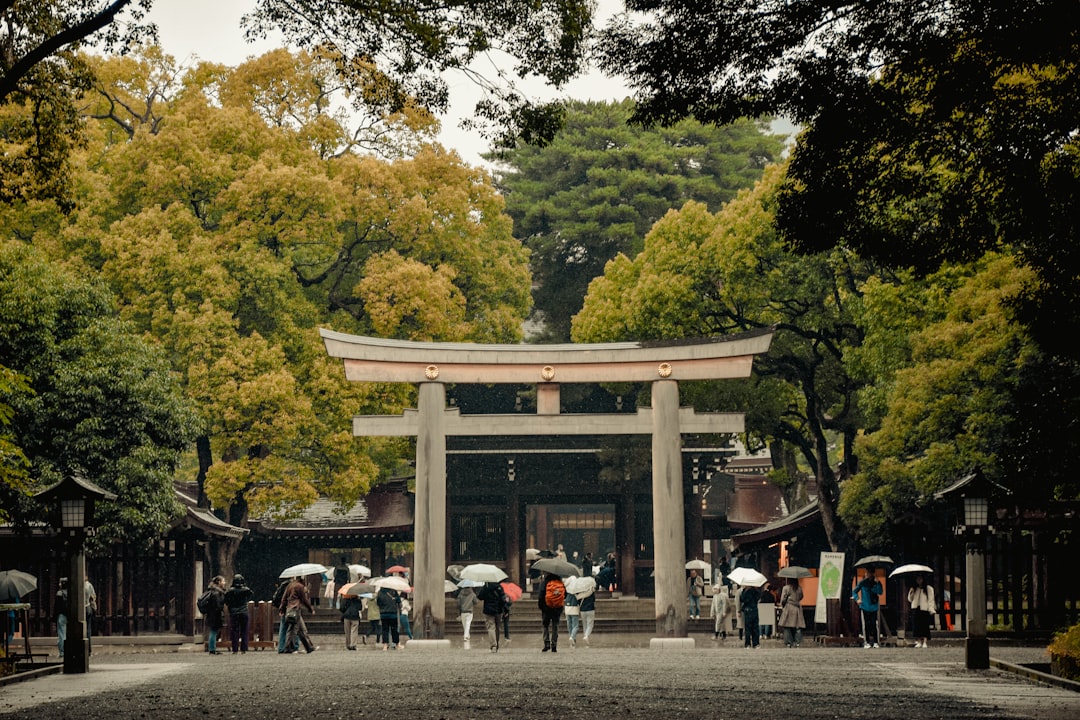
The best temples and shrines to visit in Tokyo include Sensoji Temple in Asakusa, Meiji Shrine beside Yoyogi Park, Nezu Shrine, Zojoji Temple, Hie Shrine, Tomioka Hachimangu, and Kanda Myojin. Choose Sensoji for historic atmosphere, Meiji Shrine for a forested retreat, and Nezu Shrine for traditional architecture and azaleas. Visit early, observe worship etiquette, and allow travel time between neighborhoods because Tokyo’s attractions are spread across the city.
The best temples and shrines to visit in Tokyo depend on the experience you want: historic streets and dramatic gates at Sensoji Temple, quiet woodland at Meiji Shrine, refined architecture at Nezu Shrine, or a city skyline backdrop at Zojoji Temple. This practical guide explains what each site offers, how to combine them by neighborhood, when to go, and the etiquette that prevents an otherwise avoidable mistake.
Why Tokyo Temples and Shrines Are Worth Visiting
Tokyo’s religious sites are not interchangeable sightseeing stops. A Buddhist temple and a Shinto shrine have different visual traditions, rituals, and layouts, although both may stand in the middle of a dense urban neighborhood. That distinction makes the visit more meaningful: you are not simply collecting gates and pagodas for a camera roll.
Sensoji Temple is the obvious choice for first-time visitors who want Tokyo’s most recognizable historic setting. Its Kaminarimon Gate, huge red lantern, Nakamise-dori shopping street, and main hall create a strong sense of arrival. The area is lively and commercial, but the temple remains an active religious site. Go before the busiest part of the day if you want to observe the architecture rather than negotiate a corridor of tour groups.
Meiji Shrine provides the opposite experience. Its entrance is near Harajuku, yet the broad paths pass through a mature forest that makes the surrounding city feel distant. The shrine is especially rewarding for travelers interested in Shinto customs, traditional weddings, sake barrels, and the visual rhythm of torii gates. The central buildings are not designed as a theatrical landmark; the approach and atmosphere are part of the attraction.
What makes these sites different
- Sensoji Temple: urban history, dramatic gates, traditional shopping, and Asakusa culture.
- Meiji Shrine: forest paths, Shinto ritual, large-scale torii gates, and a quieter setting.
- Nezu Shrine: compact traditional scenery, vermilion torii, and seasonal azaleas.
- Zojoji Temple: Buddhist architecture with Tokyo Tower nearby and a memorable contrast between old and new.
For broader planning, a reliable Japan travel guide can help you connect Tokyo with other regions. Tokyo rewards a neighborhood-based plan; attempting every major site in one day usually produces more train platforms than contemplation.
How to Plan a Tokyo Temple and Shrine Itinerary
A useful Tokyo temple and shrine itinerary begins with geography. Sensoji Temple, Kanda Myojin, and Hie Shrine are not adjacent, while Meiji Shrine and Nezu Shrine require separate transfers. Grouping sites by area reduces backtracking and gives you time for the neighborhoods around them.
Route 1: Asakusa and the historic east
Start at Sensoji Temple early in the morning. Enter through Kaminarimon Gate, walk down Nakamise-dori, and pause before the main hall. If you wish to participate in the customary purification ritual, use the water basin respectfully: rinse your hands according to the posted practice, then proceed without treating the basin as a photo prop. Explore Asakusa afterward, including side streets, traditional shops, and the Sumida River area.
Add Kanda Myojin only if you are comfortable crossing the city afterward. The shrine is associated with protection and local community traditions and has a distinctive position between Akihabara and Ochanomizu. It can be paired with electronics, anime, or cultural sightseeing, but do not assume a smaller shrine is merely decorative because it is less crowded.
Route 2: Harajuku, Shibuya, and the west
Visit Meiji Shrine in the morning, entering from the Harajuku or Yoyogi side. Wear comfortable shoes: the paths are broad, but the complex is larger than the gate may suggest. Continue to Yoyogi Park, Harajuku, or Omotesando. This combination works well because it moves from a solemn wooded setting into Tokyo’s fashion and design districts.
For another half-day, choose Nezu Shrine in the northern part of central Tokyo. Its red torii tunnel is photogenic, but visitors should walk carefully and avoid stopping in the narrowest section. Zojoji Temple is a strong late-afternoon option when Tokyo Tower begins to stand out behind the temple grounds. Check opening arrangements and event notices before setting out, particularly during festivals, weddings, and public holidays.
A simple planning sequence
- Choose one primary site for the morning.
- Add no more than one or two nearby attractions.
- Allow time for transit, queues, meals, and unplanned streets.
- Confirm access and photography rules on the site’s current official notices.
Common Mistakes When Visiting Tokyo Temples and Shrines
The most common mistake is arriving at Sensoji Temple at midday, expecting an empty ceremonial courtyard. The temple is accessible and popular, so crowds are normal. Early morning offers better sightlines and a calmer visit. Evening can also be attractive, especially when the surrounding streets become atmospheric, but individual buildings may have different access hours.
A second mistake is confusing a shrine’s torii gate with a temple entrance. At a Shinto shrine, visitors generally bow once before passing through a torii, keep to the side rather than walking through the center, and follow the local purification instructions. At a Buddhist temple, the sequence and gestures differ. Posted signs take priority over generic travel advice.
Etiquette that matters
- Keep your voice low near worship areas.
- Do not sit, climb, lean on, or touch sacred structures.
- Do not photograph restricted interiors, ceremonies, or people without permission.
- Dress neatly and avoid turning an offering area into a staging platform.
- Follow separate lines for worship, amulets, fortunes, and event entry.
- Dispose of food packaging properly and do not eat where signs prohibit it.
Another practical error is treating every temple and shrine as free of charge. Grounds may be free while gardens, special exhibitions, or seasonal areas require an admission fee. Some sites also have limited English information. Save the Japanese name of your destination, carry a translation tool, and keep a backup route in your map application. Tokyo rail connections are excellent, but a route that looks short on a map may involve a long underground transfer.
Do not rush through a ceremony simply because you do not understand it. Stand back, observe, and let worshippers proceed. If you are unsure whether an action is permitted, ask a staff member. A quiet question is more efficient than an enthusiastic violation followed by an apology.
Red flag: fix it before you submit—or before you enter. A restricted sign is not a suggestion written for someone else.
Best Times, Neighborhood Pairings, and Practical Tips
Tokyo has enough religious sites for several trips, but the strongest first visit usually combines one major temple, one major shrine, and one smaller or more specialized site. Sensoji Temple supplies the historic urban spectacle. Meiji Shrine supplies a forested Shinto experience. Nezu Shrine or Zojoji Temple adds a different visual character without requiring an entire day.
Consider visiting on a weekday morning when possible. New Year, festival days, weekends, and wedding seasons can change the atmosphere significantly. Crowds are not necessarily a problem, but they affect photography, walking speed, and the time needed for worship. If you want a particular seasonal feature, such as azaleas at Nezu Shrine, verify current conditions rather than relying on a generic calendar.
Food is also part of the neighborhood experience. Asakusa is especially convenient for traditional snacks and casual meals after visiting Sensoji. If you are planning a dedicated culinary stop, consult a focused Tokyo food guide rather than expecting every temple approach to provide the meal you want. Temple and shrine grounds are places of worship first; nearby streets are where lingering, eating, and shopping are usually more appropriate.
Recommended combinations
- First visit: Meiji Shrine and Sensoji Temple on separate half-days.
- Architecture and contrast: Zojoji Temple with Tokyo Tower, followed by nearby modern districts.
- Traditional atmosphere: Sensoji Temple, Asakusa backstreets, and the Sumida River.
- Quiet cultural route: Nezu Shrine, Yanaka, and smaller neighborhood temples.
Travelers continuing to Kyoto should also understand that Tokyo’s scale and pace differ from Kyoto’s temple districts. A guide focused on Kyoto temples is useful for comparison, but do not apply its neighborhood assumptions directly to Tokyo. In Tokyo, the train network is part of the itinerary, and a little geographic discipline prevents a great deal of unnecessary walking.
Frequently Asked Questions
What is the most famous temple in Tokyo?
Sensoji Temple is Tokyo’s oldest and most famous Buddhist temple, located in Asakusa. Enter through Kaminarimon Gate, walk along Nakamise-dori, and continue to the main hall and five-story pagoda. Early morning is best for quieter photographs and a more respectful visit. The surrounding Asakusa district also offers traditional shops, street food, river views, and easy access to other historic attractions.
Is Meiji Shrine worth visiting in Tokyo?
Meiji Shrine is a Shinto shrine dedicated to Emperor Meiji and Empress Shoken, set within a large forest near Harajuku and Yoyogi Park. Visitors pass through imposing torii gates, walk along wooded paths, and may see traditional weddings on weekends. It is one of Tokyo’s best places to experience Shinto architecture, purification customs, and a calm atmosphere without leaving the city center.
How long should you spend at Sensoji Temple?
Plan to spend about 60 to 90 minutes at Sensoji Temple, including Kaminarimon Gate, Nakamise-dori, the main hall, and nearby streets. A longer visit is worthwhile if you want to explore Asakusa’s food stalls, riverfront, or smaller temples. Arrive early if you prefer fewer crowds. At busy times, the approach and shopping street can take as much time as the temple itself.
Can you take pictures inside Tokyo temples and shrines?
Yes, visitors may take photographs at many Tokyo temples and shrines, but restrictions vary by location. Do not photograph worshippers during ceremonies, private areas, signs prohibiting photography, or the inside of sacred buildings when photography is restricted. Avoid blocking gates, offering areas, or narrow paths. Ask staff before photographing a wedding or religious ritual; discretion is part of the visit.