
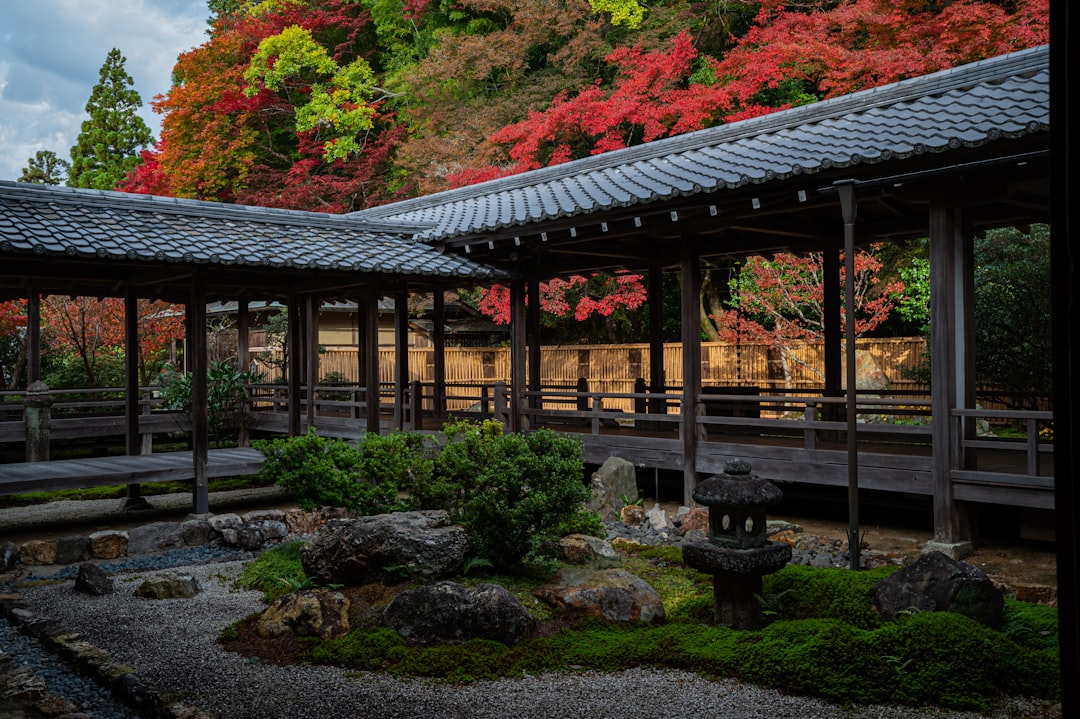
Kyoto’s temples and kaiseki dining belong in the same travel plan because both reward patience, seasonality, and attention to detail. Visit one or two temples early, leave breathing room between neighborhoods, and reserve kaiseki well ahead through a reputable restaurant or hotel concierge. Kyoto tourism guidance and Japanese dining etiquette both favor quiet respect: dress neatly, arrive on time, follow photography rules, and let each course arrive at its own pace.
Kyoto travel gets much better when you stop treating the city like a checklist. Pair a quiet temple morning with an unhurried kaiseki dinner, and you get two very different expressions of the same place: architecture, gardens, ritual, season, and an almost suspicious amount of attention paid to one tiny radish. This guide explains how to plan Kyoto temples and kaiseki dining together, what the meal involves, how to behave, and which mistakes can turn a beautiful evening into an expensive scramble.
The practical answer is simple: choose temples by neighborhood, visit early, keep your day spacious, and reserve kaiseki before you arrive. Kyoto rewards people who leave room for the unexpected—an incense-scented corridor, a side street with no English sign, or a garden that makes your phone suddenly feel rather needy. Stay curious. Say yes to the unknown.
Why Kyoto Temples and Kaiseki Belong Together
Kyoto’s temples and kaiseki matter because they ask you to notice how a place is made, not merely how it photographs. A temple garden may be arranged around borrowed scenery, seasonal color, moss, stone, and empty space. Kaiseki carries a similar logic onto the table: temperature, texture, vessel, garnish, and timing all matter. Neither experience is designed for speed. That is precisely the point.
For travelers, the pairing creates a useful rhythm. A morning at a temple gives you visual and cultural context; an evening meal lets you experience seasonality through taste. You might spend the morning moving through the wooden halls of Higashiyama, noticing incense and polished floorboards, then encounter a dinner built around mountain vegetables, fish, soup, and rice. The connection is not a staged tourist package. It is a shared respect for craft.
Kyoto also becomes less exhausting when you plan this way. Instead of bouncing between distant attractions, build around a compact area. Southern Higashiyama works naturally with temples such as Kiyomizu-dera, Kennin-ji, and Kodai-ji, while the northwest can pair a visit to Kinkaku-ji with nearby sights and a separate dinner location. Distances that look tiny on a map can feel longer after crowds, hills, and a heroic number of pedestrian crossings.
What the experience feels like
Expect contrasts rather than spectacle at every turn. A temple might be open, quiet, and intentionally restrained. Kaiseki may be delicate, surprising, and occasionally so pretty that you hesitate to disturb it. Disturb it anyway; food is not museum glass. Eat attentively, ask respectful questions when appropriate, and let the meal unfold without trying to decode every ingredient like a detective in a very elegant trench coat.
The winning Kyoto itinerary is not the one with the most stops. It is the one that leaves enough time for a place to become memorable.
Kyoto Travel Basics: Temples, Kaiseki, and Etiquette
Before booking anything, understand the basic terms. Kaiseki is a composed, multi-course Japanese meal associated with seasonality, balance, and presentation. Menus differ by restaurant and season, so avoid expecting a universal sequence. A meal may include small seasonal dishes, soup, sashimi, grilled or simmered items, rice, pickles, and dessert. The chef may make substitutions based on ingredients or dietary needs, but you should communicate restrictions in advance.
There is also a practical distinction between formal kaiseki and less elaborate seasonal set meals. Restaurant descriptions can use related language in different ways, and prices vary widely. Read the current menu information carefully. Confirm whether drinks are included, whether tax or service charges are added, how long the meal lasts, and whether the restaurant requires a fixed menu. If the description is vague, ask the hotel concierge or restaurant directly rather than trusting a mysterious third-party listing.
Temple etiquette is equally straightforward. Dress for walking and quiet indoor spaces. Remove shoes where requested, keep your voice low, and follow signs about photography. Some halls, gardens, or ceremonies may prohibit pictures. Do not touch religious objects, block pathways for photographs, or treat worshippers as unpaid background extras. At some sites, visitors may encounter purification areas, incense, or offering practices; observe what others do and follow posted instructions.
Useful planning terms and details
- Temple opening hours: These can differ by site and season, so verify before setting out.
- Reservation deadline: Restaurants may have limited seatings and strict cancellation policies.
- Dietary disclosure: Explain allergies and restrictions clearly when booking, not after the first course arrives.
- Dress: Neat, comfortable clothing works; avoid arriving sweaty, soaked, or dressed for a nightclub.
- Payment: Confirm accepted payment methods and whether the bill is handled at the table or counter.
If you are still shaping the wider trip, a solid Japan travel guide can help you place Kyoto within a broader route. If your nationality requires advance paperwork, check current Japan visa requirements before locking in nonrefundable reservations.
How to Plan a Kyoto Temple and Kaiseki Day
Start by choosing your dinner area, then build the temple portion around it. This reverses the usual mistake of collecting attractions first and discovering that your reservation is across the city. For southern Higashiyama, begin early at Kiyomizu-dera or another nearby temple, walk through the surrounding lanes, and leave a buffer before dinner. For the Philosopher’s Path area, pair Ginkaku-ji or Nanzen-ji with a slower afternoon in northern Higashiyama.
A practical one-day structure might look like this: arrive at your first temple near opening time, spend 60 to 90 minutes exploring without rushing, stop for a light lunch, and choose one additional site or neighborhood walk. Return to your hotel before dinner if possible. Freshen up, check the route, and arrive early. This pause is not wasted time; it prevents you from entering a multi-course meal with the energy of a person who has just lost a race to a bus.
A step-by-step planning method
- Pick one temple cluster. Use geography first, fame second. Kyoto’s map is full of temptations and hills.
- Choose your kaiseki budget and style. Look for a restaurant whose menu, atmosphere, and reservation process are clear.
- Reserve early. Confirm the date, seating time, price, cancellation rules, dietary requirements, and arrival instructions.
- Check the temple details. Verify hours, admission arrangements, photography rules, and any temporary closures through current official information.
- Build in a reset. Return to your accommodation or take a quiet tea break before dinner.
- Plan the way home. Note the restaurant’s location and your transport options before the meal begins.
For first-time visitors, two temples in one day is often plenty. One can be grand and famous; the other can be chosen for its garden, architecture, or quieter mood. If you want a more atmospheric day, consider an early temple, a neighborhood lunch, a craft or tea stop, and dinner. If you want more history, add a guide—but keep the schedule human.
Public transportation, walking, and taxis each have a role. Walking reveals details that a vehicle erases, while a taxi can be worthwhile when hills, rain, luggage, or a tight dinner reservation enter the plot. Use navigation, but also watch for residential streets and local signs. The best detour is one that does not inconvenience residents.
Common Kyoto Travel Mistakes to Avoid
The most common mistake is overbooking. Travelers see a list of Kyoto temples and attempt six before dinner, usually while crossing the city at peak crowd times. The result is shallow sightseeing, late arrival, and a dinner experienced through the fog of logistical panic. Choose fewer places and stay longer. Kyoto’s quieter details appear when you stop sprinting toward the next famous gate.
Another mistake is treating kaiseki like a standard restaurant meal. You may not be ordering à la carte, and the menu may be fixed. Arriving without checking the cost, duration, or ingredients can create discomfort for everyone. Confirm the details before booking. If you have severe allergies, explain them in writing through the restaurant’s preferred channel and ask whether the kitchen can safely accommodate them.
Casual clothing is not automatically wrong, but presentation matters. Avoid beachwear, noisy accessories, and anything that makes sitting on the floor difficult if the restaurant uses traditional seating. Some dining rooms use chairs; others do not. Ask when booking if you need accessible seating or have mobility concerns. Good restaurants would rather know early than improvise at the door.
Small choices that improve the day
- Carry socks without holes in case you need to remove your shoes.
- Bring a small umbrella or rain layer; weather can change your walking plan quickly.
- Keep your phone silent and photograph only where permitted.
- Do not assume every temple or restaurant accepts credit cards or English-language questions.
- Leave room for a convenience-store breakfast or simple lunch; a formal dinner does not require a formal day from sunrise onward.
- Be cautious with luggage on narrow lanes and in crowded buses.
Finally, do not confuse quietness with coldness. Kyoto’s manners can feel formal, but a polite greeting, a patient question, and a willingness to follow instructions go a long way. You do not need perfect Japanese. “Sumimasen” and “arigatou gozaimasu,” used sincerely, are more useful than performing confidence you do not possess.
Respect is the best upgrade you can pack: lighter than luggage, cheaper than a taxi, and useful everywhere.
A Better Way to Experience Kyoto
Kyoto temples and kaiseki dining work best as a sensory itinerary rather than a trophy hunt. Listen to gravel underfoot, notice the temperature of a wooden hall, watch how a garden frames a distant roofline, and pay attention to the progression of a meal. These observations are not decorative extras; they are how the city communicates.
Keep your expectations flexible. A rainy morning may make a moss garden glow. A crowded landmark may send you toward a smaller temple where the atmosphere suits you better. A restaurant may adjust its menu because the season has shifted. That unpredictability is part of the appeal, provided you have handled the unglamorous basics: reservations, opening hours, route planning, and clear communication.
If the formal meal feels intimidating, remember that curiosity is enough. Watch how the meal is served, follow the pace of the table, and ask questions when the moment feels right. Do not demand a performance from the chef or turn every course into a social-media production. Taste first, photograph second. Your phone can survive missing one bowl of soup.
For a strong first visit, aim for one memorable temple morning, one thoughtful neighborhood wander, and one carefully chosen kaiseki dinner. Add more only if your energy and curiosity genuinely support it. Kyoto is not going anywhere because you declined to conquer it before 8 p.m. Stay curious. Say yes to the unknown.
Frequently Asked Questions
How should I plan a day of Kyoto temples and kaiseki dining?
The best combination is one major temple in the morning, a slower neighborhood walk, and kaiseki dinner in the evening. Start early at a temple such as Kiyomizu-dera, Ginkaku-ji, or Nanzen-ji, then explore nearby lanes without cramming in five more sights. Reserve dinner in advance, especially during spring, autumn, holidays, and weekends. A relaxed schedule makes the meal feel like part of the journey rather than a timed exam.
What is kaiseki dining in Kyoto?
Kaiseki dining is a traditional Japanese multi-course meal built around seasonality, balance, presentation, and carefully prepared ingredients. The exact menu changes with the restaurant, season, and available produce. Courses may include appetizers, soup, sashimi, grilled or simmered dishes, rice, and dessert, though the sequence is not identical everywhere. It is less about ordering individual dishes and more about experiencing the chef’s composed progression.
Do I need a reservation for kaiseki in Kyoto?
Many Kyoto kaiseki restaurants require reservations, and some accept bookings only through a hotel, travel advisor, or Japanese-language system. Check the restaurant’s current booking rules, cancellation policy, price, meal duration, and dietary limitations before committing. Tell the restaurant about allergies clearly and early; do not assume every request can be accommodated. Arrive on time, since courses are often timed and prepared for a specific seating.
Which Kyoto temples are best for a first visit?
You do not need to visit every famous temple to have a meaningful Kyoto trip. Choose two or three sites based on location and atmosphere, then add time for walking, tea, gardens, or a neighborhood meal. Early mornings are usually calmer than midday, while some temples have seasonal opening hours or special admission arrangements. Check official temple and tourism information shortly before visiting because access details can change.