
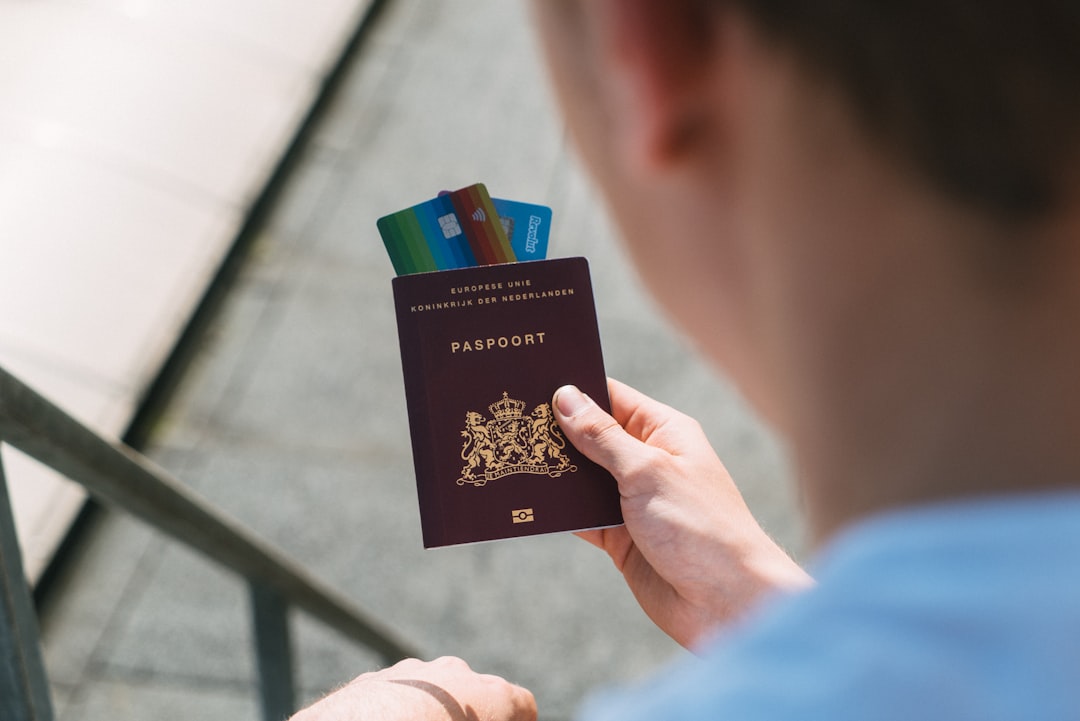
Visa photo smile rules depend on the destination. The U.S. generally permits a natural smile if both eyes remain open and the mouth position does not distort facial recognition. Schengen countries, Canada, the United Kingdom, and Australia generally require a neutral expression with the mouth closed. Always follow the current instructions from the issuing authority. A studio’s approval is not a government approval, so let’s measure it before we submit it.
Can you smile in a visa photo? Sometimes—but not everywhere. The United States generally allows a natural smile, while Schengen countries, the United Kingdom, Canada, and Australia typically favor a neutral expression with the mouth closed. The exact rule depends on the destination, visa type, and current instructions from the issuing authority. Treat facial expression as a compliance measurement, not a personality test. The camera sees millimeters, not intentions.
Why Visa Photo Facial Expression Rules Matter
A visa photo is used for identity verification, so the face must remain easy to compare with the applicant. Smiling can change the position of the lips, cheeks, jawline, and sometimes the apparent shape of the eyes. That is why many destinations prefer a calm, natural expression rather than a deliberately pleasant one.
“Neutral” does not mean stern, anxious, or expressionless. It means relaxed facial muscles, eyes open and directed at the camera, lips together when required, and no exaggerated movement in the eyebrows or mouth. Keep your head straight and avoid tilting your chin upward or downward to compensate for an expression.
The important distinction is between a natural smile and a posed grin. A permitted natural smile should not force the mouth open, narrow the eyes, lift the cheeks excessively, or create deep shadows. A wide smile may look excellent in a family photograph and still be unsuitable for biometric use. Close is not compliant.
Why expression rules vary
Different issuing authorities adopt different biometric and document standards. Some explicitly permit a natural smile; others require a neutral expression because it makes facial comparison more consistent. Even within one country, a passport, visa, residence permit, and digital application may use separate technical instructions.
Before taking the photograph, identify the destination and document category. Do not apply a U.S. visa rule to a Schengen visa, or a passport rule to a residence permit. Use the current official instructions for the exact application. Let’s measure it before we submit it.
Visa Photo Smile Rules by Destination
United States: U.S. visa photo guidance generally permits a natural expression or a natural smile. Both eyes must remain open, and the smile must not interfere with recognition of the face. A relaxed, modest smile is lower risk than a broad grin. For applicants who are unsure, a neutral expression remains the most conservative choice.
Schengen area: Schengen visa photographs generally follow ICAO-style biometric principles. Applicants should normally show a neutral expression, keep the mouth closed, and look directly at the camera. Smiling, showing teeth, opening the mouth, or raising the eyebrows can make the image unacceptable. Review the consulate’s current photo instructions because the application center may also specify print and submission details.
United Kingdom: UK biometric photos typically require a neutral expression with the mouth closed. A smile is generally not the safe choice. The face should be unobstructed, evenly lit, and centered. If your application is handled through a visa application center, follow its image-capture or upload instructions in addition to the UK government requirements.
Canada: Canadian immigration and visa photographs generally call for a neutral facial expression, with the mouth closed and eyes open. Avoid smiling, frowning, squinting, or tightening your lips. For related Canadian photo measurements, use the exact instructions for the document rather than borrowing standards from a different country.
Australia: Australian visa images commonly require a neutral expression with the mouth closed and eyes open. The face must remain clearly visible, with no hair or accessory covering important features. Confirm whether your application requires a digital image, printed photograph, or an image captured through an approved service.
For destination-specific preparation, compare this guidance with U.S. visa requirements and application process, Spain visa photo requirements, Austrian visa photo requirements, or China visa photo requirements. These destinations do not automatically share one universal expression rule.
How to Choose and Check the Right Expression
Start by checking the authority that will receive the image. Record the destination, document type, submission method, required dimensions, background color, and whether the instructions mention a neutral expression or natural smile. This five-minute check is cheaper than repeating an application photograph.
A practical expression test
- Sit or stand directly facing the camera.
- Keep your head level and your shoulders square.
- Look into the lens, not at the photographer’s screen.
- Relax your forehead, cheeks, jaw, and lips.
- Keep both eyes open and remove any hair covering the eyes.
- If a smile is allowed, use a small natural smile without forcing the mouth or narrowing the eyes.
Ask the photographer to capture several frames without changing your position. Compare the images at full size, not only as a small thumbnail. A thumbnail can hide a partially closed eye, an uneven mouth, or a shadow under the chin. The image should show facial features clearly without digital smoothing or reshaping.
Check expression together with composition
Expression is only one rejection risk. Confirm that the head size, face position, eye line, background, lighting, focus, and image dimensions also match the destination’s instructions. A compliant expression cannot rescue an image with a tilted head, harsh shadow, colored background, or incorrect crop.
Printed photos should be sharp, clean, and free from pixelation, creases, borders, and editing artifacts. Digital files should meet the required pixel dimensions and file rules. Do not use filters, beauty retouching, artificial blur, or a background replacement that creates a halo around the hair. The face must look like the applicant, not like an optimistic software interpretation.
Let’s measure it before we submit it. A millimeter has ruined more applications than a dramatic passport photo ever did.
Common Visa Photo Expression Mistakes
The most common mistake is assuming that “friendly” means “acceptable.” Applicants often smile automatically when the camera is raised, then discover that the mouth is open or the eyes have narrowed. Practice holding a relaxed face for a few seconds before the shutter. Neutral should feel natural, not theatrical.
Another error is copying a photograph from a different document. A U.S. visa image may allow a natural smile, while a Schengen image may require a closed-mouth neutral expression. A passport photograph may also have different dimensions or digital specifications from a visa photograph. Standards are neighbors, not twins.
High-risk expression problems
- Showing teeth where a closed-mouth expression is required.
- Opening the mouth, biting the lips, or pressing the lips tightly together.
- Squinting because of bright lighting or flash.
- Raising the eyebrows or creating a deliberately surprised look.
- Tilting the head to make a smile appear more symmetrical.
- Using heavy retouching that changes the natural facial contours.
- Submitting an old image after a significant change in appearance.
Children, infants, and applicants with medical conditions may have specific exceptions, but those exceptions are destination-specific. Do not assume an adult expression rule applies identically to a child. Check the official instructions for the applicant’s age and document type.
If a photo service says an image is “passport ready,” ask which country and document it was prepared for. A generic label is not a compliance certificate. When the instructions are unclear, contact the relevant embassy, consulate, immigration authority, or approved application center before uploading or printing the image.
Frequently Asked Questions
Can you smile in a U.S. visa photo?
Yes, the U.S. generally allows a natural smile in a visa photo, provided both eyes are open and the expression does not obscure or distort your facial features. The smile should be modest and natural, not exaggerated. Teeth may be visible in some acceptable U.S. images, but a broad grin can create shadows, cheek distortion, or an inconsistent mouth position. If you want the lowest-risk option, use a relaxed neutral expression and confirm the current Department of State instructions before submission.
Can you smile in a Schengen visa photo?
For most Schengen visa photos, use a neutral expression with your mouth closed and eyes looking directly at the camera. A visible smile, open mouth, raised eyebrows, or exaggerated expression can conflict with the biometric composition requirements used by participating countries. The photo must also meet the applicable size, head-position, background, and image-quality rules. Because consulates can publish application-specific instructions, check the consulate handling your visa rather than relying on a generic passport-photo rule.
What facial expression is required for a Canadian visa photo?
A closed-mouth, relaxed expression is the safest choice for a Canadian visa photo. Canadian biometric-style photos generally require a neutral facial expression, with the face centered, eyes open, and the mouth closed. Avoid smiling, frowning, squinting, or tightening your jaw. Do not confuse a professional photo studio’s general passport service with Canadian immigration compliance. Follow the current instructions for the exact application, especially if you are submitting printed photos rather than a digital image.
Should a UK visa photo show a neutral expression?
The safest facial expression for a UK visa photo is neutral: keep your mouth closed, eyes open, and face directed toward the camera. Do not rely on a friendly smile to make the image acceptable. UK biometric systems prioritize clear recognition of the natural shape of the face, so a smile that changes the cheeks, lips, or jaw can increase rejection risk. Follow the current UK visa application guidance and any instructions provided by the application center processing your image.