
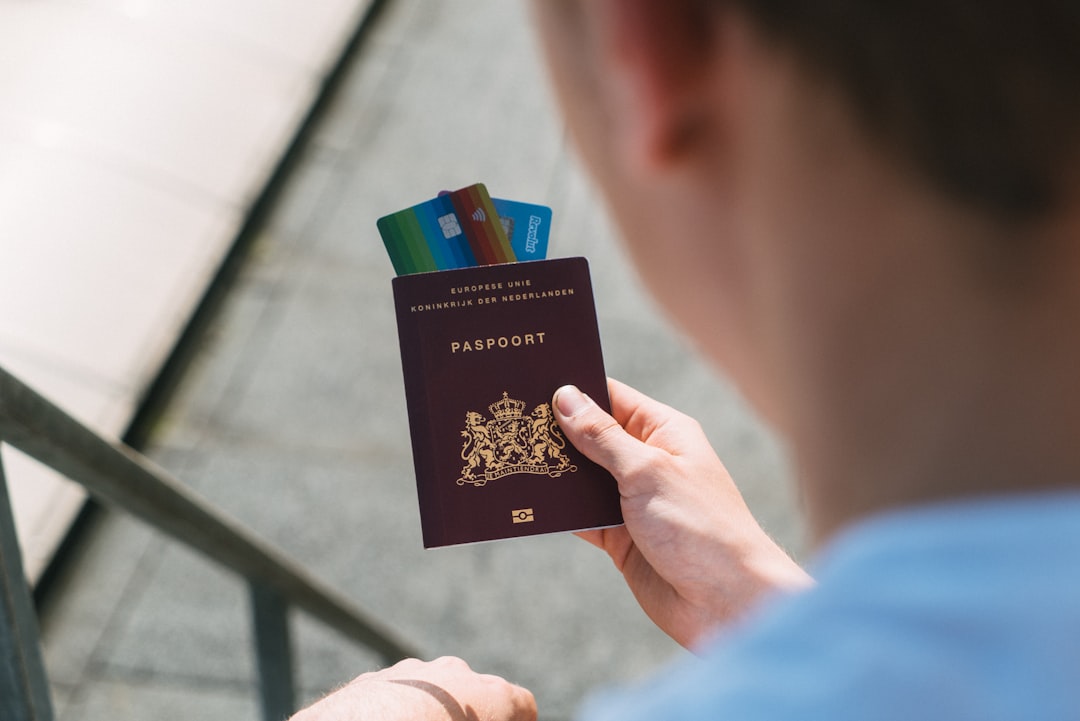
For a U.S. visa photo, maintain a neutral facial expression, keep both eyes open and clearly visible, face the camera directly, and keep your mouth closed. Schengen visa photos generally require the same neutral, natural expression, with no smiling or exaggerated emotion, although national authorities may apply additional specifications. Confirm the destination country’s current checklist before printing. Close is not compliant; a relaxed, symmetrical face is the safest measurable choice.
Visa photo facial expression rules are straightforward but easy to fail at the final millimeter: look directly at the camera, keep both eyes open, relax your face, and avoid smiling. For U.S. visa photos, the safest standard is a neutral expression with the mouth closed. Schengen visa photos generally follow the same biometric principle, but the responsible country or visa center may add instructions. The practical rule is simple: do not perform for the camera. A passport photo is not a headshot audition.
Why Facial Expression Rules Matter for U.S. and Schengen Photos
Facial expression is not a cosmetic detail. Biometric photographs are designed to show the applicant’s facial features in a consistent, recognizable way. A broad smile lifts the cheeks, changes the shape of the mouth, narrows the eyes, and can alter the visible proportions of the face. A dramatic frown creates the opposite problem. Neither is useful to an officer or an automated image check.
For a U.S. visa photo, the safest interpretation of the official U.S. Department of State standard is a neutral facial expression or a natural expression, with both eyes open. Face the camera squarely and keep your head level. Your expression should be relaxed rather than severe. Think “resting face,” not “I have just discovered the application fee.”
Schengen countries broadly use harmonized biometric-photo principles: a neutral expression, closed mouth, direct gaze, and unobstructed eyes. However, Schengen is not one single issuing office. The embassy, consulate, visa center, or national authority handling your application can specify dimensions, print format, background, and procedural details. Review the destination country’s current checklist alongside general Schengen guidance.
“Close is not compliant.” If the instructions require a neutral expression, a small smile is still a different expression.
The Core Rules: Neutral Face, Closed Mouth, Open Eyes
What “neutral expression” actually means
A neutral expression visa photo should show relaxed facial muscles, lips gently together, and eyes open without intentional widening. Keep your jaw in a normal position. Do not clench your teeth, push your chin forward, suck in your cheeks, or press your lips into a thin line. These actions create tension and may make the photograph look unnatural even when the mouth is technically closed.
Neutral does not mean expressionless in a theatrical sense. Your face should look like it does when you are calmly listening to someone. Lower your shoulders, breathe out, and allow your forehead and eyebrows to rest. If you are concentrating so hard that your eyebrows rise or your jaw tightens, the camera will record that effort accurately. It is an unforgiving little witness.
Eyes open, visible, and directed at the lens
Visa photo eyes open requirements are usually literal: both eyes must be open and clearly visible, with the gaze directed toward the camera. Avoid a half-blink, squint, or upward gaze. Hair should not cross the eyes. Eyeglasses can create reflections or hide the pupils, and tinted lenses are generally unsuitable. If you wear glasses, remove them unless the applicable instructions clearly allow them and you can avoid glare and obstruction.
Use a camera positioned at eye level. Looking at the screen instead of the lens can shift your gaze slightly downward, especially with a phone. Ask the photographer to give a short countdown so you can look at the lens and hold still for the exposure.
Step-by-Step: How to Capture a Compliant Expression
Step 1: Prepare the face and clothing
Remove sunglasses, novelty eyewear, and accessories that cover the face. Arrange hair so both eyes and the natural facial contours remain visible. Religious head coverings may be allowed when worn daily for religious reasons, but they must not obscure the face or cast shadows across the eyes. Keep clothing simple and avoid anything that resembles a uniform unless it is worn daily for religious reasons.
Step 2: Set the camera and lighting
Place the camera directly in front of you, not above, below, or at an angle. Use even lighting that does not produce shadows on the face or background. A plain light background is commonly required, but exact color and image specifications must come from the relevant authority. Good lighting helps the reviewer see the eyes; it does not excuse a closed eye or a tilted head.
Step 3: Capture several neutral frames
Before pressing the shutter, sit or stand straight, center your face, close your mouth gently, and look into the lens. Take several frames because blinking is not a rare event, merely an inconveniently well-timed one. Compare the images at full resolution. Select the frame with fully open eyes, level features, relaxed lips, and no glare or shadow.
Step 4: Inspect before printing or uploading
Zoom in on the eyes and mouth. Confirm that the pupils are visible, the lips are not parted, and the expression is not smiling, frowning, or exaggerated. Then check the complete image for head size, face position, background, sharpness, and the required digital or print format. Spain visa photo requirements can provide a useful country-specific comparison, but it does not replace the instructions for your own destination.
Let’s measure it before we submit it. A technically attractive photograph can still fail if the face is too small, too large, off-center, or softly focused. The camera sees millimeters, not intentions.
Common Facial Expression Mistakes That Cause Problems
Smiling slightly: Applicants often believe a small smile looks friendlier and therefore safer. For biometric use, it can change the mouth and cheek position. Choose relaxed lips instead.
Opening the mouth: Talking, breathing through an open mouth, or showing teeth can create an avoidable mismatch with the neutral-expression requirement. Pause, close your lips naturally, and hold still.
Squinting or blinking: Bright lights, poor positioning, and screen glare commonly cause squinting. Move the light source, soften the illumination, and take another frame. Do not digitally “repair” the eyes; retouching can create a separate rejection risk.
Raising the eyebrows: This often happens when applicants try to make their eyes look more open. The result is an exaggerated expression. Keep the forehead relaxed and look straight ahead.
Tilting the head: A tilted head can make one eye appear higher and distort facial symmetry. Align the bridge of the nose vertically and keep both ears at a similar height in the frame when the composition allows.
Using a passport-style smile: Rules differ by document type and country. Do not assume that a rule for a national passport, driver’s license, or another visa automatically applies to a U.S. or Schengen application. For broader context, compare the US visa requirements and application process with the exact instructions supplied for your visa category.
Do not let editing software turn a blink into an expression. If the original frame is wrong, retake it.
Final Compliance Check Before You Submit
U.S. and Schengen rules are similar, not interchangeable
The main expression principles overlap: direct gaze, open and visible eyes, a neutral face, and a closed mouth. The surrounding requirements may differ, including photo dimensions, digital upload rules, background standards, head-covering treatment, and whether a specific application portal accepts a particular file. Apply the rules as a package rather than borrowing one favorable detail from another country’s checklist.
For infants and very young children, authorities may allow limited flexibility because maintaining a perfectly neutral expression is not realistic. Exceptions do not usually mean that an adult applicant can submit a smiling portrait. If a child’s image is difficult, prioritize the official child-photo guidance and produce the clearest compliant image possible.
Applicants with medical conditions, facial differences, or other circumstances affecting expression should follow the responsible authority’s accommodation instructions. Do not invent an exception based on convenience. If the image is likely to be questioned, obtain clarification before submission rather than after a rejection or request for a replacement.
Finally, remember that facial expression is only one part of acceptance. Check image quality, lighting, background, face size, head position, and the required format. Let’s measure it before we submit it; one millimeter has ruined more applications than a dramatic passport photo ever did.
Frequently Asked Questions
Can I smile in a U.S. or Schengen visa photo?
A slight, natural smile is usually not the safest choice for a U.S. or Schengen visa photo. U.S. visa guidance calls for a neutral facial expression, while Schengen authorities generally expect a neutral expression with the mouth closed. A visible smile can change the position of the cheeks, lips, and eyes and may make facial recognition less consistent. Use a relaxed face rather than a deliberately stern one.
Do my eyes have to be open in a visa photo?
Yes. Both eyes should normally be open, clearly visible, and directed toward the camera in U.S. and Schengen visa photos. Avoid squinting, closing one eye, heavy bangs across the eyes, or eyeglass frames that obstruct the pupils. Medical conditions may require an exception, but ordinary blinking is not a compliance strategy. Take several images and select one where both eyes are fully visible.
Should my mouth be closed in a visa photo?
For most adult U.S. and Schengen visa photos, keep your mouth closed and your lips resting naturally. Do not open your mouth, purse your lips, exaggerate a frown, or press your lips tightly together. A neutral expression does not mean looking uncomfortable; it means minimizing expression while keeping the face relaxed. Children and applicants with documented medical considerations may have limited exceptions.
Can I wear a head covering in a visa photo?
A head covering may be permitted for religious reasons, but it must not hide the face or create shadows over the eyes and facial features. The exact treatment can differ by issuing authority. Keep the head straight, show the full facial outline from chin to forehead where required, and avoid decorative accessories. Check the current U.S. or destination-country instructions before taking the final image.