
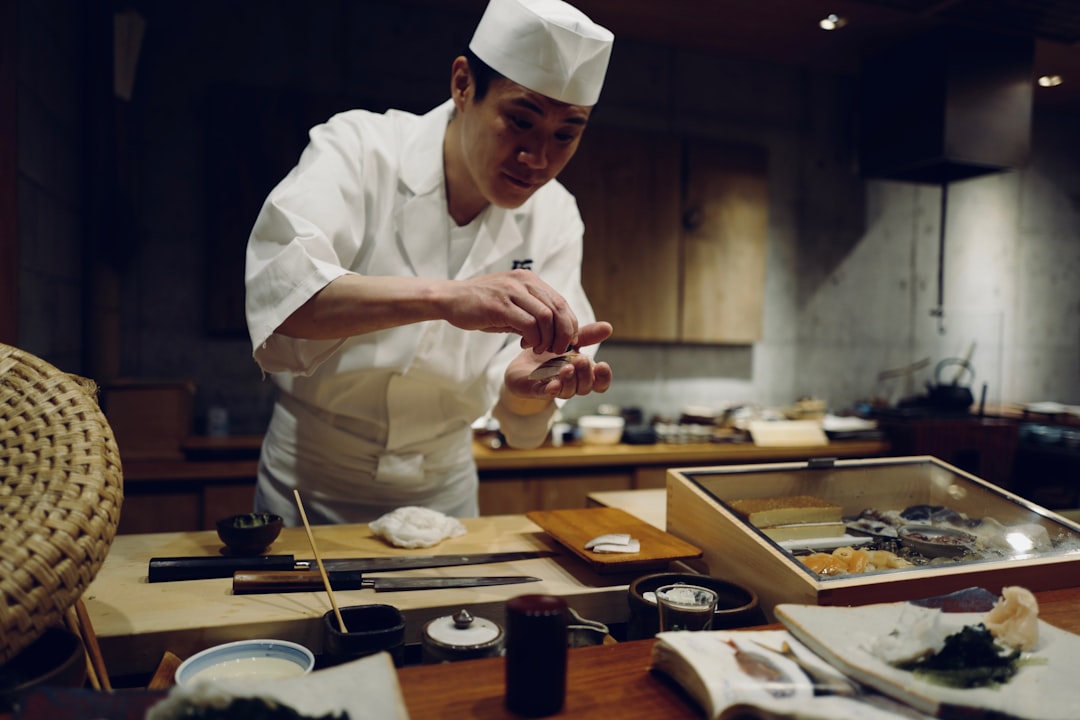
Japanese etiquette emphasizes respect, harmony, and attentiveness. In meals, say Itadakimasu before eating and Gochisousama deshita afterward; wait for others to be served and avoid talking with your mouth full. Use chopsticks properly—don’t stab food, don’t pass food from chopstick to chopstick, and rest them on a holder when not in use. Tipping isn’t customary, shoes come off indoors, and speak softly to preserve atmosphere.
Planning a trip to Japan or dining with locals? Japanese etiquette shapes every interaction. This guide translates everyday rules into practical steps for meals, greetings, and small signals—so you can navigate with confidence and respect.
Why Cultural Etiquette and Food Manners in Japan matters
Etiquette in Japan isn’t a set of rigid laws; it’s a framework for everyday consideration and social harmony. Small actions—how you enter a room, how you share a dish, or how you speak at the table—signal respect for others and for the space you occupy. When you approach dining and conversation with attentiveness, you participate in a quiet, shared rhythm that makes interactions smoother for everyone.
The overarching idea is wa, or harmony. This concept guides how you wait your turn, how you listen, and how you acknowledge the group’s needs over personal preference. It also shows up in service: hosts anticipate guests’ needs, staff respond with subtle, unobtrusive care, and silence is often comfortable rather than awkward. Understanding this mindset helps you adapt without losing your own voice.
Common scenarios—removing shoes before entering a home, saying Itadakimasu before a meal, or pouring a drink for someone else—aren’t mere customs. They’re practical signals of respect, reciprocity, and attentiveness. They invite you to slow down, observe, and respond with care rather than rushing through a dinner or a tour. Stay curious. See you on the next neighborhood corner. — Nova Calder.
Temel kavramlar
In this section, you’ll find the core ideas that underpin everyday etiquette in Japan. They’re less about perfection and more about staying mindful of others’ comfort and the flow of social space.
- Bow and greetings: A gentle bow or a nod is common in most settings. A firm handshake may occur in business contexts, but follow the other person’s lead and keep your posture relaxed.
- Shoes and space: Shoes are often removed in homes and certain traditional spaces. Expect slippers or clean floors; avoid stepping on tatami mats with your shoes on.
- Itadakimasu and gochisousama deshita: These phrases acknowledge meals and gratitude for the cook. Use them to show appreciation for food and effort.
- Chopstick etiquette: Use chopsticks properly: don’t point, don’t bite, don’t pass food from chopstick to chopstick, and rest them on a holder when not in use.
- Pouring drinks: Don’t pour your own drink; pour for others and have others pour for you. This reinforces mutual care at the table.
- Noise and conversation: Speak softly, especially in quiet or intimate settings; silence isn’t awkward, it’s respectful.
- Tipping: Generally not expected; in some spots it can be confusing. Focus on good service through your words and manners rather than extra payment.
As you dine, you’ll notice these cues blend into the rhythm of your meal. They’re practical tools for navigating unfamiliar spaces with ease while honoring local customs.
Step-by-step guide
- Oshibori and entrance: When seated, you’ll often be offered a warm towel. Use it to freshen your hands before you begin. This is part of a respectful, mindful start to the meal.
- Seating and initial greetings: Wait to be seated in many establishments; in casual spots you may seat yourself. A simple nod or “arigatou gozaimasu” when you’re seated signals appreciation for the welcome.
- Ordering and receiving: If you’re unsure, ask staff to recommend dishes. When food arrives, check that it matches your order and drinks are filled multiple times by the server, not yourself.
- During the meal: Use chopsticks correctly; keep conversation gentle. Itadakimasu before eating and gochisousama deshita after you finish. If sharing, use the opposite end of your chopsticks or a separate serving utensil for transferring food.
- Eating etiquette specifics: Slurping noodles is acceptable and even appreciated in many places; rest your chopsticks on a hashioki or plate between bites. Avoid leaving chopsticks stuck upright in rice.
- Ending and paying: Signal you’re ready to leave by finishing your drink and placing utensils neatly. In many places, you pay at the register rather than at the table; if you’re with a group, discuss payment in advance to avoid confusion.
These steps create a calm, respectful flow that makes dining in Japan comfortable for everyone at the table. For travelers, a few practiced phrases and a calm demeanor can go a long way toward positive interactions.
Common mistakes
Even well-intentioned travelers can slip into small missteps. Here are frequent pitfalls and how to avoid them:
- Forgetting Itadakimasu/Gochisousama deshita: Use these phrases to acknowledge the meal and gratitude to the cook. A simple smile and a nod can suffice if language is a barrier.
- Misusing chopsticks: Don’t point with them, don’t stab food, and don’t pass food from chopstick to chopstick. Use the receiving end or a shared plate for transfer.
- Self-pouringonly: Don’t pour your own drink in social settings; pour for others and let them pour for you to demonstrate courtesy.
- Talking loudly at the table: Keep voice levels moderate; this respects others who are eating or conversing around you.
- Ignoring shoes etiquette: In homes and some traditional venues, shoes come off at the threshold. If you’re unsure, follow your host’s lead.
With a little practice, these mistakes become opportunities to demonstrate respect and curiosity about a new culture. Stay curious. See you on the next neighborhood corner. — Nova Calder.
Frequently Asked Questions
Q: Is it okay to talk loudly in a restaurant?
A: In most casual settings, a gentle, considerate tone is best. Loud voices can disrupt others; keep conversations comfortable for the whole table and be mindful of nearby diners.
Q: Do I really need to say Itadakimasu and Gochisousama deshita?
A: While not mandatory, these phrases are meaningful tokens of appreciation in Japan. They signal gratitude for the food, the cooks, and the shared meal, and help you connect with the culture on a respectful level.
Q: What if I’m unsure about a rule?
A: When in doubt, observe others, follow the host’s lead, and keep your actions modest and quiet. A friendly smile and a brief apology in Japanese can also smooth most moments.
Frequently Asked Questions
What is the biggest chopsticks mistake to avoid?
A common dining faux pas is dipping your chopsticks in rice and sticking them upright in a bowl. This gesture mirrors a funeral ritual in Japan. To avoid it, place chopsticks on a rest or the edge of your plate between bites, keep them tidy, and never point or spear food with them. Being mindful of chopstick etiquette shows you’re paying attention to local customs.
Is tipping appropriate in Japan?
In Japan, tipping is not a standard practice and can even feel uncomfortable in some places. Instead, focus on excellent service and gratitude through words like Itadakimasu and Gochisousama deshita. If a service charge is included, it’s already built into the bill. If you wish to show appreciation, you can leave a polite note or thank the staff verbally.
What about talking during meals?
Voices are typically kept low in Japanese dining spaces to maintain harmony. Speaking loudly, talking on speakerphone, or handling loud music at the table can disrupt the mood. Sit back, listen, and contribute quietly. If you need to ask questions, do so with a soft tone and a smile to keep the atmosphere respectful.